
DC 3V/6V/12V N20 Mini Micro Metal Gear Motor with Gearwheel DC Motors 30/50/60/100/150/200/300/500/1000RPM
200RPM / 3V / Other
£3.15
Skip to product information




DC 3V/6V/12V N20 Mini Micro Metal Gear Motor with Gearwheel DC Motors 30/50/60/100/150/200/300/500/1000RPM
£3.15
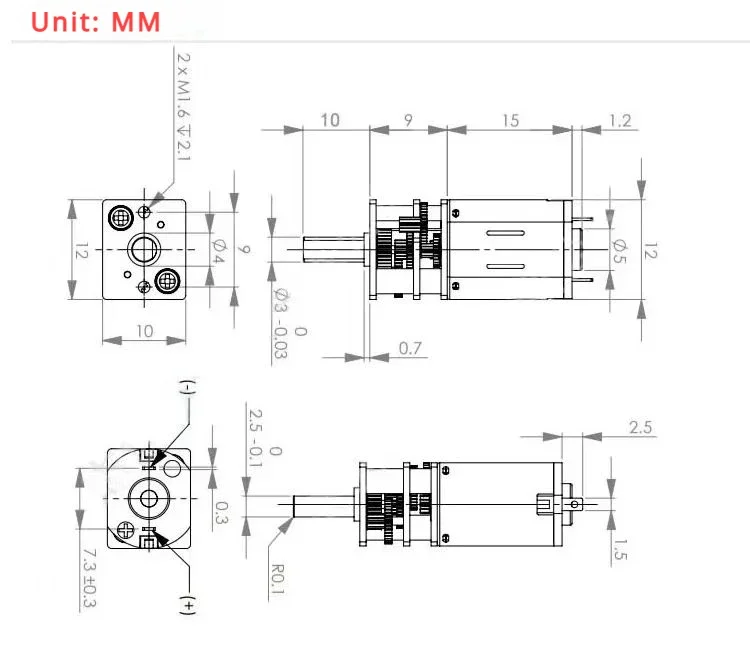
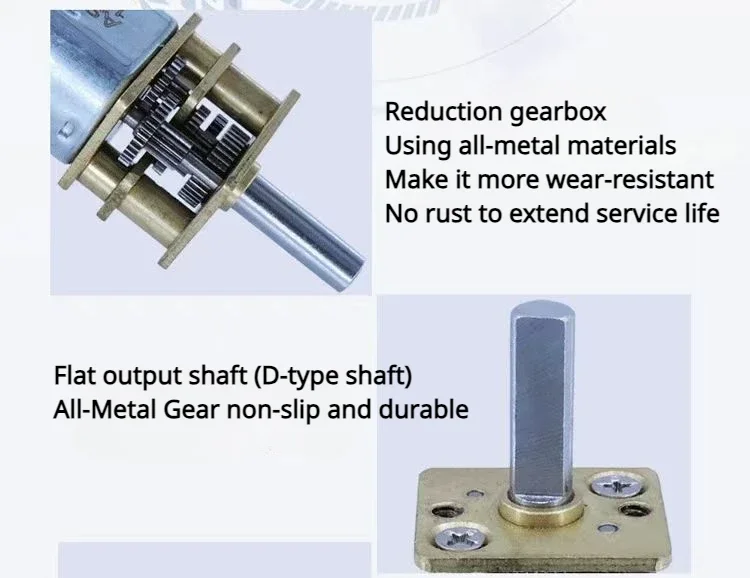
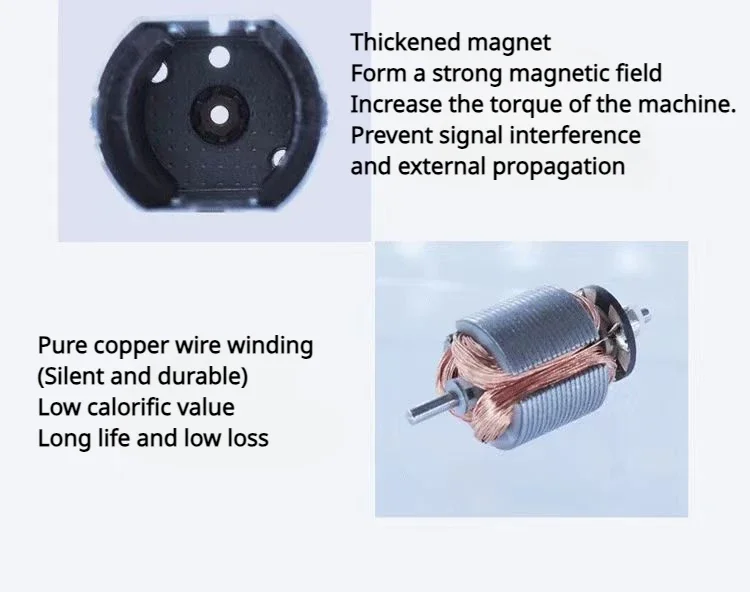
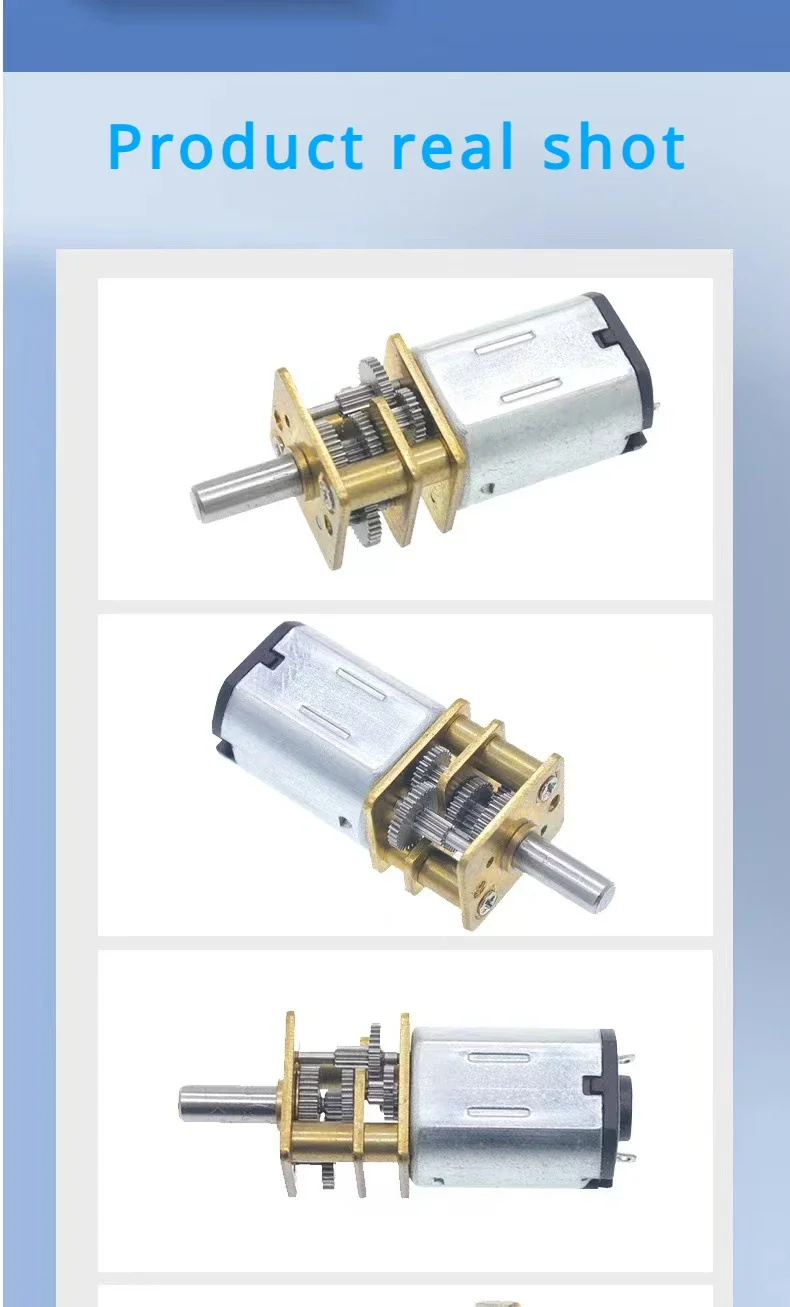
Compact, durable and ready for micro-robotics, the DC 3V/6V/12V N20 Mini Micro Gear Motor with Gearwheel delivers reliable drive in a tiny package. Built with a brush-based design and a permanent magnet construction, this gear motor offers stable torque and smooth operation for DIY projects, educational kits, and compact automation tasks.
Key specifications
- Voltage: DC 3V/6V/12V
- Speed (RPM): 30/50/60/100/150/200/300/500/1000
- Continuous current: 1 A
- Construction: Permanent magnet, brush
- Protection: Drip-proof
- Output Power: <18.65,DC 3V/6V/12V
- Model: GA12-N30 / DC Motor Gear Motor (GLINTDEER variant JGA-12-N20)
- Origin: Mainland China
- Pack contents: 1 piece
- Battery: Not included
- Wireless features: Not included
- Drop shipping: Supported
Why this micro gear motor stands out
- Ultra-compact footprint with high gearing options makes it ideal for tight spaces in micro robots, camera sliders, and small conveyors.
- Brush-based, permanent-magnet design provides consistent torque characteristics suitable for precise speed control when paired with a microcontroller or motor driver.
- Wide voltage compatibility (3V/6V/12V) and a broad RPM range give you flexible performance across different load conditions.
- Drip-proof protection adds a layer of reliability in light moisture or humid environments typical of hobbyist workshops and classrooms.
- Single-pack packaging (1 piece) simplifies inventory for kits and bulk projects.
Use cases and applications
- Educational robotics: build tiny autonomous agents, remote-controlled models, or line-following mini-robots.
- DIY automation: drive small mechanisms, micro-positioning stages, or hobby project actuators.
- Prototyping: test gear ratios and torque demands on compact gearheads without committing to large motors.