
ATMEGA328P-PU & DIP Socket Kit 16MHz crystal ATMEGA328P DIP-28 Adapter board LM7805 KIT
ATMEGA328P Kit
£3.00
Skip to product information

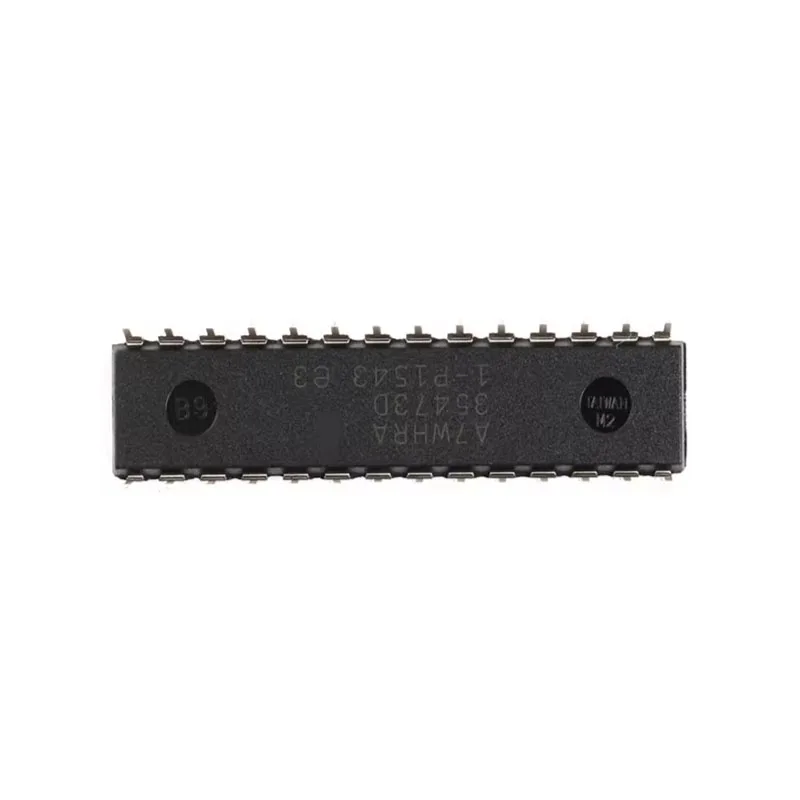


ATMEGA328P-PU & DIP Socket Kit 16MHz crystal ATMEGA328P DIP-28 Adapter board LM7805 KIT
£3.00
ATmega328P-PU DIP Kit with UNO Bootloader, 16MHz Clock and LM7805 Regulator
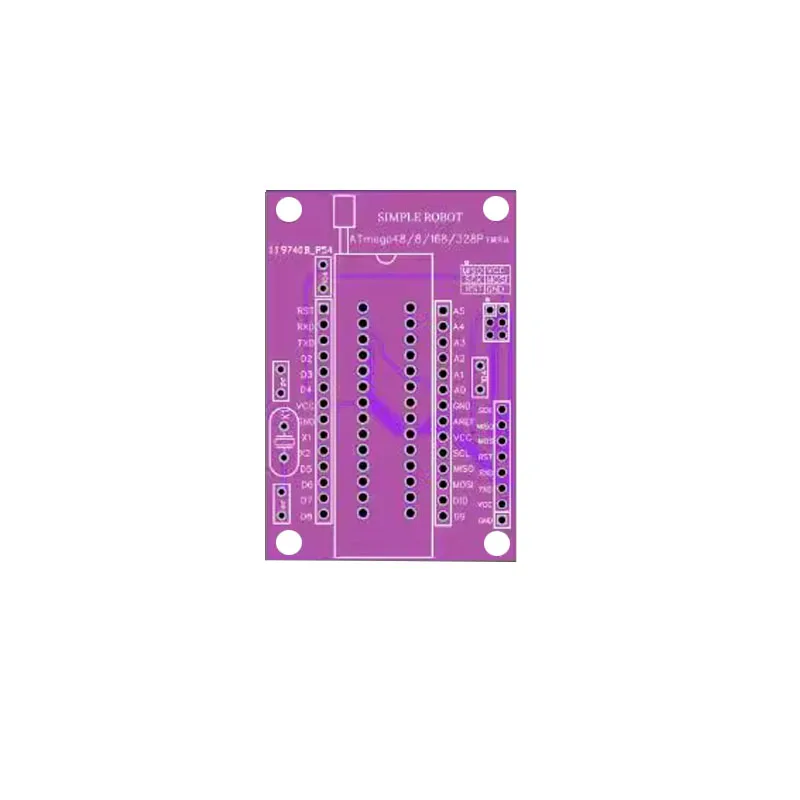
Meet a complete, breadboard-ready AVR solution designed for rapid prototyping and learning. This kit centers on the ATmega328P-PU with UNO bootloader, paired with a DIP-28 adapter and socket for easy testing and replacement. It includes a precise 16MHz crystal oscillator and a robust LM7805 regulator to keep your projects powered reliably, so you can focus on building rather than sourcing parts.
What’s included
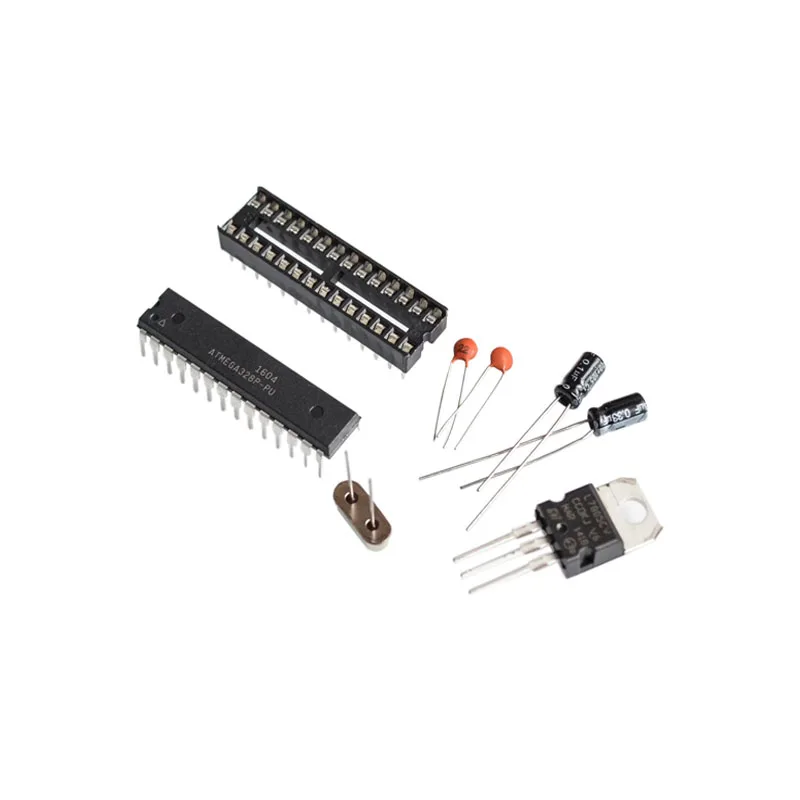
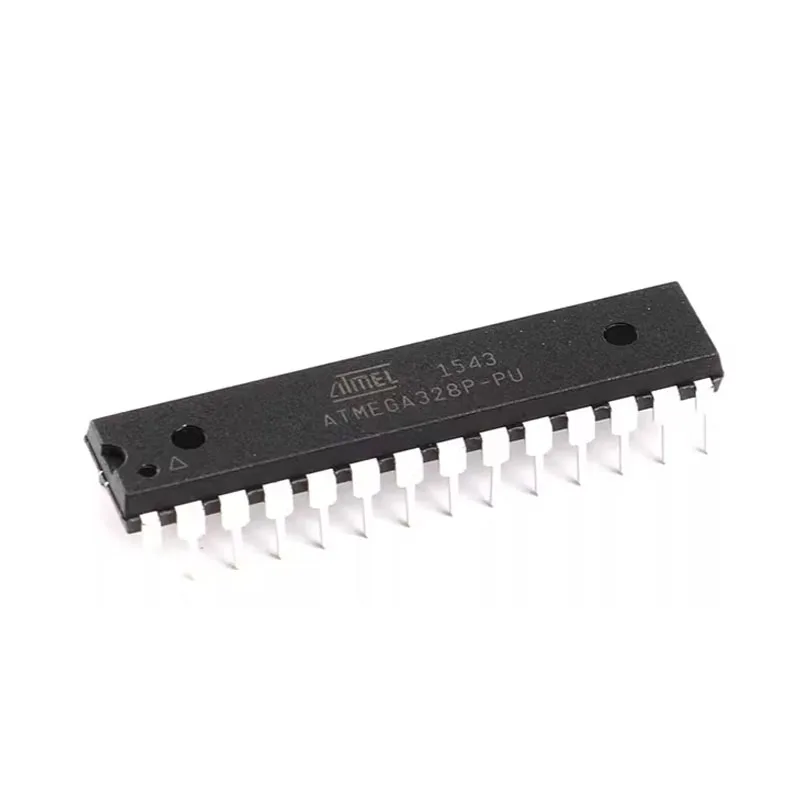
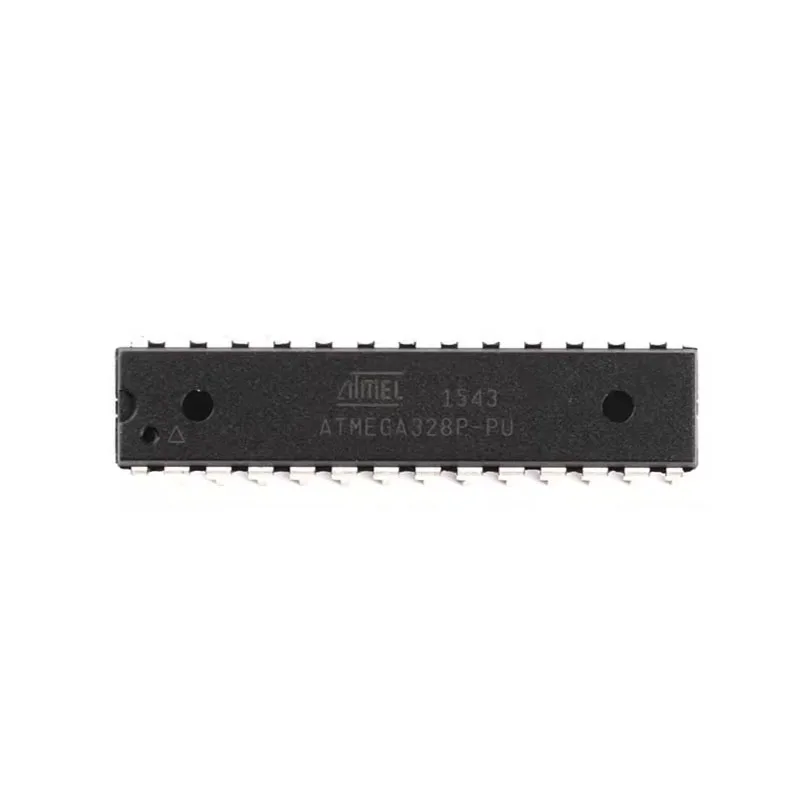
- 1 x ATmega328P-PU & UNO Bootloader
- 1 x FREE DIP Socket
- 2 x 22pF capacitors
- 1 x high precision 16MHz crystal oscillator
- 1 x LM7805 5V Voltage regulator
- 0,1uF & 0,33uF electrolytic capacitors
Key specifications
- Core: AVR
- Package: DIP-28
- Program memory type: FLASH
- Program storage capacity: 32KB
- Total RAM capacity: 2KB
- EEPROM capacity: 1KB
- ADC: 10-bit
- Maximum CPU frequency: 20MHz
- Number of GPIO ports: 23
- Supply Voltage: 1.8V-5.5V
- Operating Temperature: -40°C to 85°C
- Bootloader: UNO Bootloader
Why this kit stands out
- All-in-one AVR starter: everything you need to get started with ATmega328P-based projects in one kit—no chasing down components.
- Uno-friendly out of the box: preloaded UNO bootloader lets you program with the popular Arduino IDE, accelerating prototyping and learning.
- Durable, reusable footprint: DIP socket enables quick removal and re-use of the MCU, ideal for testing different microcontrollers or swapping when experimenting.
- Crystal and regulator included: stable 16MHz clock and reliable 5V regulation support sensor boards, LEDs, and small peripherals.
Ideal use cases
- DIY Arduino-compatible projects, wearables, and small robots
- Educational kits for students learning digital electronics and microcontrollers
- Prototype boards for embedded systems, sensors, and control applications